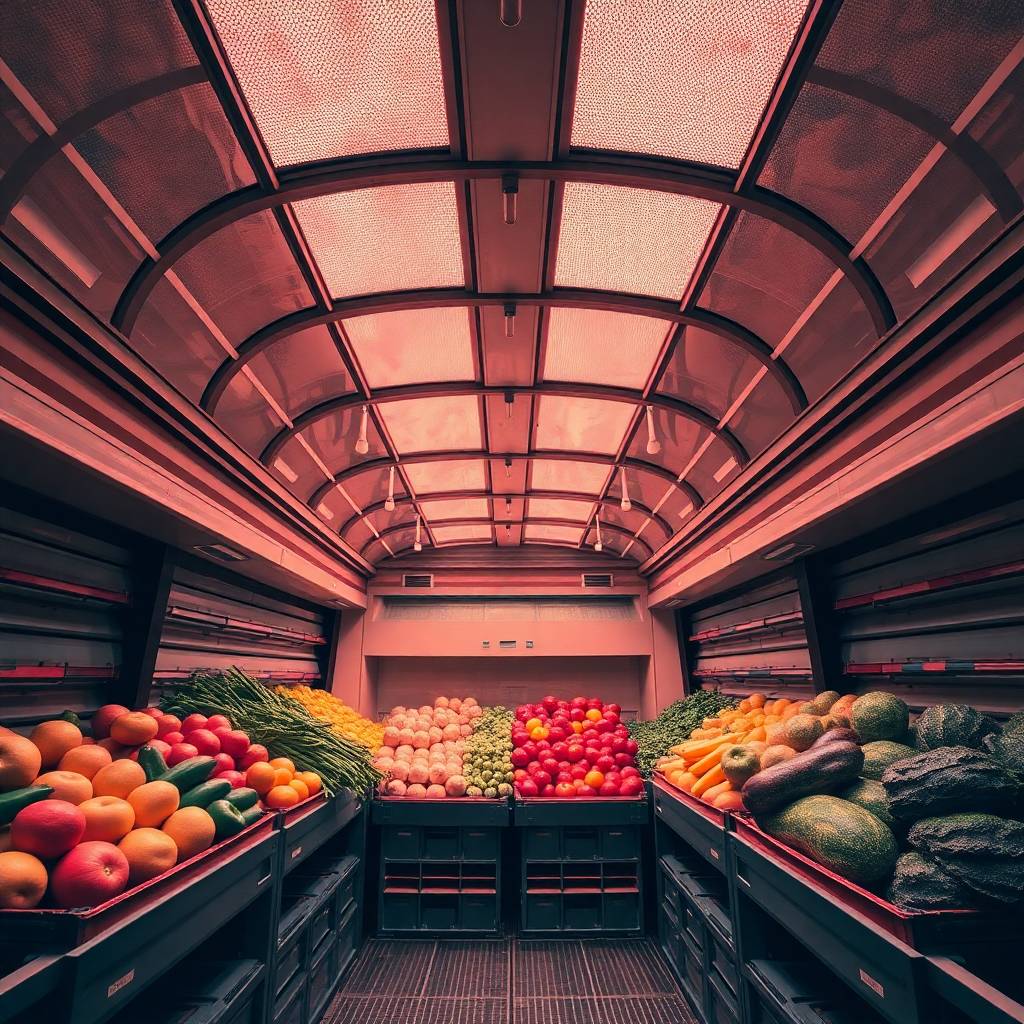
Explore how quick commerce is reshaping India’s supply chain and urban logistics with EV delivery, dark stores, cold chains, and future trends (2025–30)
The evolution of online shopping has entered a new phase. Traditional e-commerce focused on next-day or two-day delivery. Today, consumers demand groceries, medicines, and daily essentials within 10–30 minutes. This shift has given rise to Quick Commerce (Q-Commerce) — a hyperlocal, time-critical logistics model that is redefining urban retail, warehousing, transportation, and consumer behavior.
Quick commerce is not merely faster e-commerce. It is a logistics-first business model where speed, proximity, inventory positioning, and last-mile efficiency determine success.
This article explains:
- What quick commerce is
- How quick commerce supply chains work
- How it differs from traditional e-commerce and retail
- The role of dark stores, EV delivery, and cold chain
- Key challenges in India
- The future of hyperlocal logistics
What Is Quick Commerce?
Quick commerce refers to the ultra-fast delivery of groceries, fresh food, medicines, and daily-use products within 10–30 minutes through hyperlocal fulfillment centers called dark stores.
Core characteristics:
- Micro-warehouses within 1–3 km of consumers
- High-velocity inventory
- Real-time demand forecasting
- EV two-wheelers for last-mile delivery
- AI-driven route optimization
- Temperature-controlled storage for perishables
How Quick Commerce Supply Chains Work
Hyperlocal Fulfillment Flow
- Supplier / Brand
- City Distribution Center
- Dark Store (Micro-Fulfilment Centre)
- Order Picking (2–5 minutes)
- EV Two-Wheeler Dispatch
- Consumer Doorstep (10–30 minutes)
Unlike traditional e-commerce, which relies on large centralized warehouses, quick commerce uses distributed inventory close to demand points.
Quick Commerce vs Traditional E-Commerce
| Parameter | Quick Commerce | Traditional E-Commerce |
|---|---|---|
| Delivery Time | 10–30 minutes | 1–5 days |
| Warehouse Type | Dark stores (micro) | Mega fulfillment centers |
| Inventory | Hyperlocal | Centralized |
| Vehicle Type | EV two-wheelers | Vans, trucks |
| Cold Chain Dependence | High | Moderate |
| Route Length | 1–5 km | 50–500 km |
| Cost Driver | Speed & density | Distance & scale |
Role of Dark Stores and Micro-Fulfilment
Dark stores are small warehouses (3,000–10,000 sq ft) designed for:
- High-frequency picking
- Optimized SKU layout
- Chilled and frozen zones
- Automated replenishment
- Real-time inventory visibility
They form the backbone of quick commerce by enabling:
- Ultra-short picking time
- Reduced last-mile distance
- High order throughput
- Quality-controlled storage
EV Two-Wheelers and Last-Mile Logistics
Electric two-wheelers dominate quick commerce delivery due to:
- Low operating cost per km
- High maneuverability in traffic
- Zero tailpipe emissions
- Government EV incentives
- Compatibility with short, dense routes
However, their performance depends heavily on:
- Road quality
- Charging infrastructure
- Battery thermal management
- Rider safety and navigation systems
Cold Chain and Perishable Food Delivery
Quick commerce handles a high volume of:
- Fruits and vegetables
- Dairy products
- Frozen foods
- Ready-to-eat meals
This requires:
- Temperature-controlled dark stores
- Insulated last-mile boxes
- High relative humidity control
- Minimal door-opening heat gain
- Continuous monitoring with IoT sensors
Cold chain failures result in:
- Spoilage
- Shrinkage
- Customer complaints
- Regulatory risk
- Margin erosion
Infrastructure and Urban Constraints
Micro-Road Quality
Urban delivery efficiency is limited by:
- Potholes
- Narrow lanes
- Congestion
- Poor traffic discipline
- Unplanned speed breakers
These increase:
- Delivery time variability
- Accident risk
- Vehicle maintenance
- Energy consumption
Power and Energy
Dark stores are energy-intensive due to:
- Refrigeration
- Lighting
- Sorting systems
- IT infrastructure
- EV charging
Integration of rooftop solar and energy-efficient refrigeration is becoming critical for cost control and sustainability.
Market Leaders in India
Key quick commerce and food delivery players:
- Blinkit
- Zepto
- Swiggy Instamart
- BigBasket Now
- Zomato
- Swiggy
These platforms compete on:
- Delivery time
- Dark store density
- Rider availability
- Cold chain reliability
- App experience
- Unit economics
Economic and Sustainability Challenges
Major challenges include:
- High last-mile cost
- Rider attrition
- Thin margins
- Infrastructure bottlenecks
- Cold chain capital intensity
- Energy cost volatility
Long-term sustainability depends on:
- EV fleet scaling
- Solar-powered dark stores
- AI-driven demand forecasting
- Route density optimization
- Policy-supported urban freight planning
Future of Quick Commerce in India (2025–2030)
Key trends:
- Expansion into Tier-2 and Tier-3 cities
- Solar-integrated cold warehouses
- Battery-swapping for EV fleets
- AI-based micro-inventory positioning
- Automated dark stores
- Dedicated urban delivery corridors
- Integration of grocery and food delivery platforms
Key Insights
- Quick commerce is a logistics-engineered retail model, not just fast shopping.
- Dark stores and EV fleets form its physical backbone.
- Cold chain reliability determines food quality and customer trust.
- Urban road and energy infrastructure set the performance ceiling.
- The future lies in hyperlocal, green, and digitally optimized supply chains.
FAQ
What is quick commerce?
Quick commerce is ultra-fast delivery of groceries and essentials within 10–30 minutes using dark stores and hyperlocal logistics.
How is quick commerce different from e-commerce?
Quick commerce uses micro-warehouses and EV delivery for instant fulfillment, while e-commerce relies on large centralized warehouses and longer delivery times.
Why are EV two-wheelers used in quick commerce?
They offer low cost, high maneuverability, zero emissions, and are ideal for short urban routes.
What is a dark store?
A dark store is a micro-fulfilment center designed exclusively for online order picking and rapid dispatch.
Why is cold chain important in quick commerce?
It preserves freshness, prevents spoilage, ensures food safety, and maintains customer satisfaction for perishable products.
Conclusion: Beyond Speed — A New Urban Logistics Paradigm
Quick commerce represents a fundamental shift in how cities are supplied. It combines:
- Distributed warehousing
- Electric mobility
- Cold chain engineering
- Digital demand sensing
- Real-time routing
- Renewable energy integration
The future of urban retail will not be decided by discounts or app design alone. It will be determined by how efficiently, sustainably, and safely hyperlocal logistics systems are engineered.
In the era of instant delivery, logistics is the product, and infrastructure is the strategy.

