Shashank Singh | Food Technology & Cold Chain | Logistics Systems Analyst
Quick commerce logistics in India is evolving with EV two-wheelers, green warehousing, and solar power—but poor road infrastructure remains the biggest challenge.
What is Quick Commerce Logistics?
Quick commerce logistics refers to hyperlocal, time-critical supply chains designed to deliver groceries, fresh food (FAO quick commerce and food logistics insight), medicines, and daily essentials within 10–30 minutes. Unlike traditional e-commerce that optimizes for tonnage and distance, quick commerce optimizes for:
- Speed over payload
- Short routes over long hauls
- High delivery frequency
- Micro-fulfilment over mega warehouses
In India (2025–26), quick commerce logistics is shaped by four converging forces:
- EV two-wheelers for last-mile delivery
- Dark stores and green warehousing
- Rooftop solar and energy-efficient cold chains
- Urban road infrastructure quality at the micro level
Why EV Two-Wheelers Dominate Last-Mile Delivery in India
Key Reasons
- Route profile: 1–5 km, high stop density
- Traffic conditions: Congested urban cores favor narrow, agile vehicles
- Cost: Lower operating cost per delivery than ICE two-wheelers
- Sustainability: Zero tailpipe emissions, policy support under FAME
- Learning curve: Riders repeat the same micro-routes, improving efficiency and delivery accuracy
EV Two-Wheelers vs ICE Vehicles (Last Mile)
| Parameter | EV Two-Wheeler | ICE Two-Wheeler |
|---|---|---|
| Energy cost/km | Low | High |
| Maintenance | Low (fewer moving parts) | Higher |
| Emissions | Zero tailpipe | CO₂, NOx, PM |
| Noise | Very low | Moderate |
| Urban maneuverability | Excellent | Excellent |
| Sensitivity to road shocks | High | Moderate |
EV two-wheeler last-mile delivery, quick commerce logistics in India, hyperlocal delivery efficiency.
How Poor Road Infrastructure Limits Hyperlocal Logistics
Micro-Road Quality Is the Real Bottleneck
Quick commerce operates on micro-roads:
- Inner lanes
- Residential colonies
- Market streets
- Service roads
- Access roads to apartments
Common problems:
- Potholes and uneven surfaces
- Poor drainage causing waterlogging
- Unmarked speed breakers
- Inconsistent road width
- Damaged pavements and broken edges
Impact on EV Logistics
- Higher vibration → battery mounting and suspension stress
- Increased vehicle downtime
- Lower rider safety
- Higher accident probability during navigation-guided riding
- Reduced delivery speed consistency
Regulatory Bodies:
OECD urban mobility and infrastructure trends
World Bank’s road infrastructure and logistics studies
Key Principle:
EV logistics demands smoother roads than ICE logistics because lightweight electric vehicles are more sensitive to surface irregularities.
Speed Over Tonnage: The New Logistics Equation
Traditional logistics equation:
Tonnage × Distance × Cost per km
Quick commerce equation:
Delivery time × Route density × Micro-infrastructure quality
This shift explains:
- Rise of dark stores within 2–3 km catchments
- Decline of heavy vehicles in inner cities
- Explosion of EV two-wheeler fleets
- Importance of road surface quality, not just highway length
Green Warehousing for Quick Commerce
What is Green Warehousing?
Green warehousing integrates:
- Energy-efficient refrigeration
- High-performance insulation
- Automated material handling
- Water and waste management
- Rooftop solar PV systems
- EV charging infrastructure
Why Warehouses Are Energy-Intensive
Power consumption drivers:
- Cold rooms and chillers
- Ripening chambers
- Conveyor belts and sorters
- Lighting and IT systems
- EV charging pods
- Offices and safety systems
Monthly electricity bills for large dark-store networks run into lakhs of INR per site.
Power Authorities:
- FSSAI food warehousing & cold chain standards
- UNIDO sustainable warehousing & cold chain guidance
- ASHRAE tech standards for energy-efficient cold storage
Solar-Powered Warehouses: The Economics
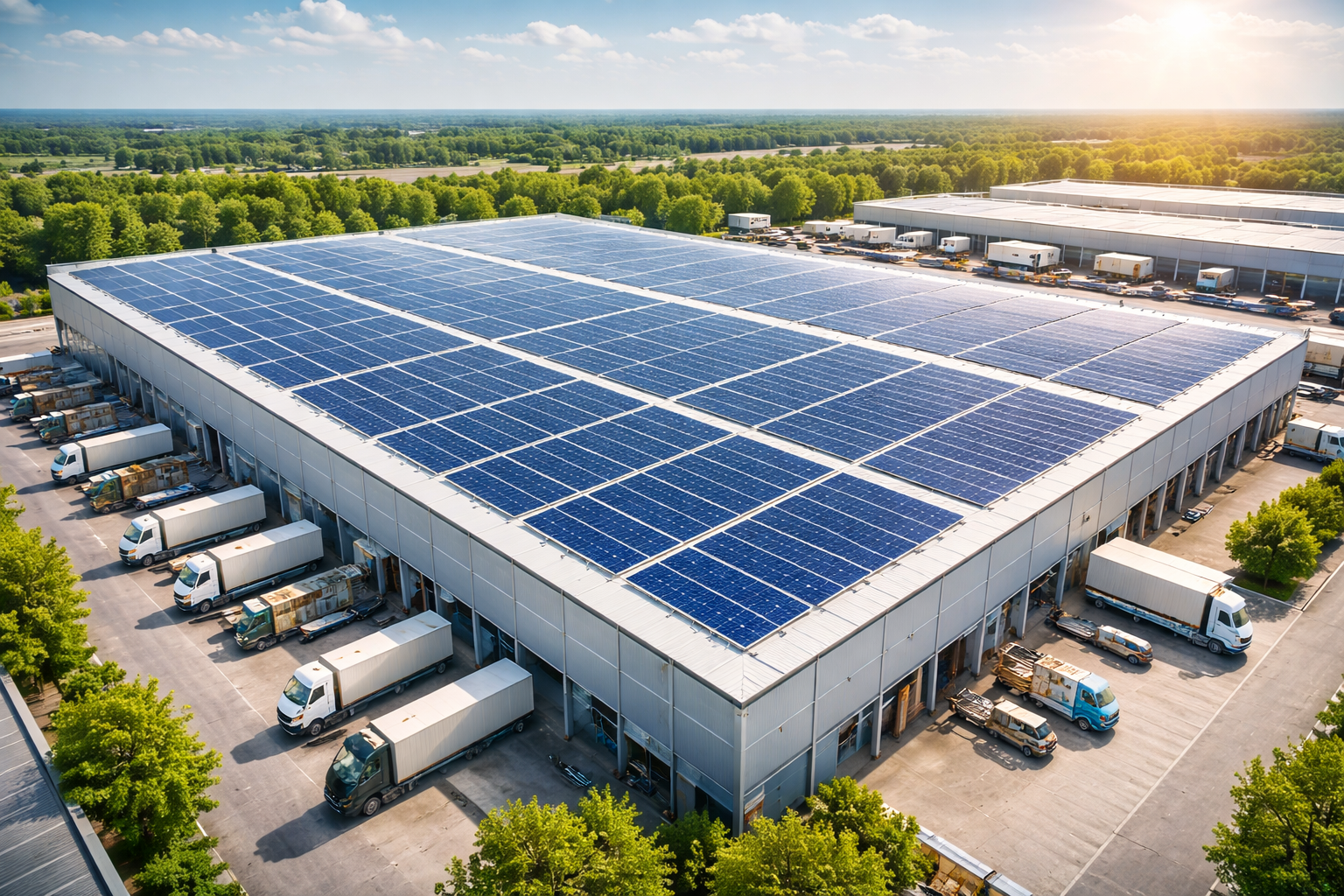
Example: 100,000 sq. ft. Urban Cold Warehouse
- Usable rooftop for PV: ~80,000 sq. ft.
- Installed capacity: ~1 MWp
- Annual generation: ~1.4–1.6 million kWh
- Applications:
- Refrigeration systems
- Lighting and automation
- EV charging
- Office and IT load
- Grid export (net metering)
Benefits
- 30–60% reduction in electricity cost
- Lower carbon footprint
- Power security for cold chain
- Charging support for last-mile EV fleets
- Compliance with ESG and green finance norms
Power Authorities:
- MNRE rooftop solar and distributed energy policies
- APEDA cold chain support and integration guidance
Cold Chain and Food Logistics in Quick Commerce
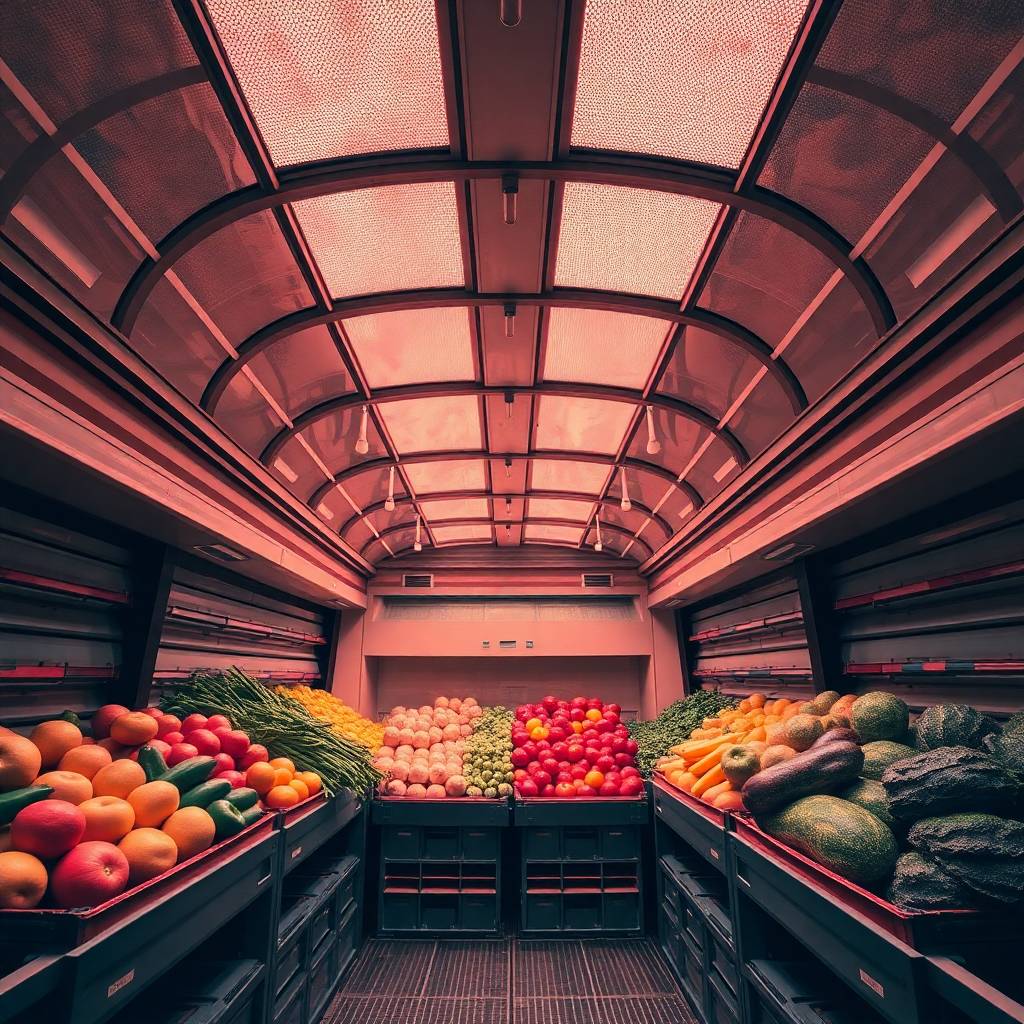
Quick commerce is heavily dependent on temperature-controlled logistics, especially for:
- Fresh fruits and vegetables
- Dairy and frozen foods
- Meat, fish, and ready-to-eat products
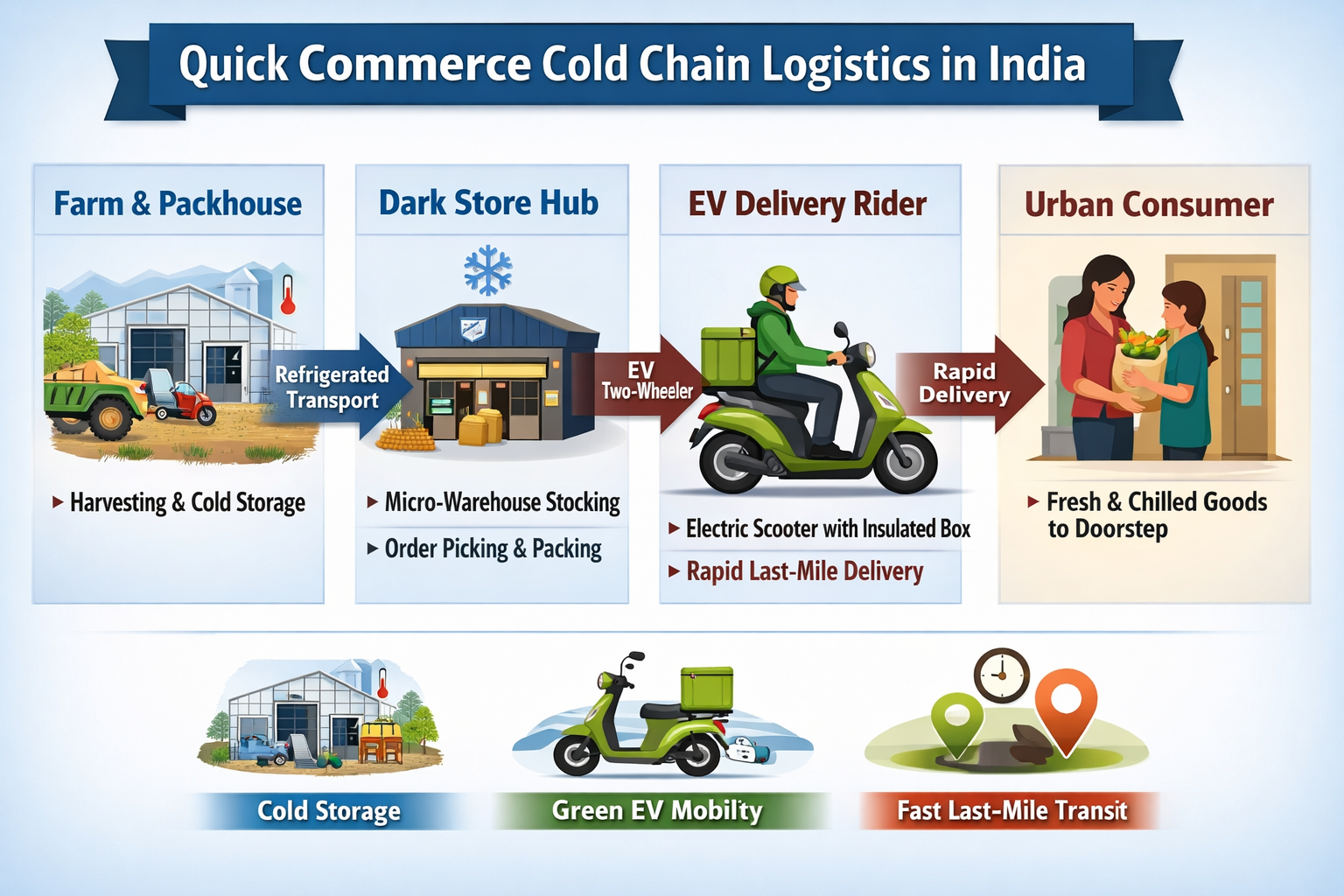
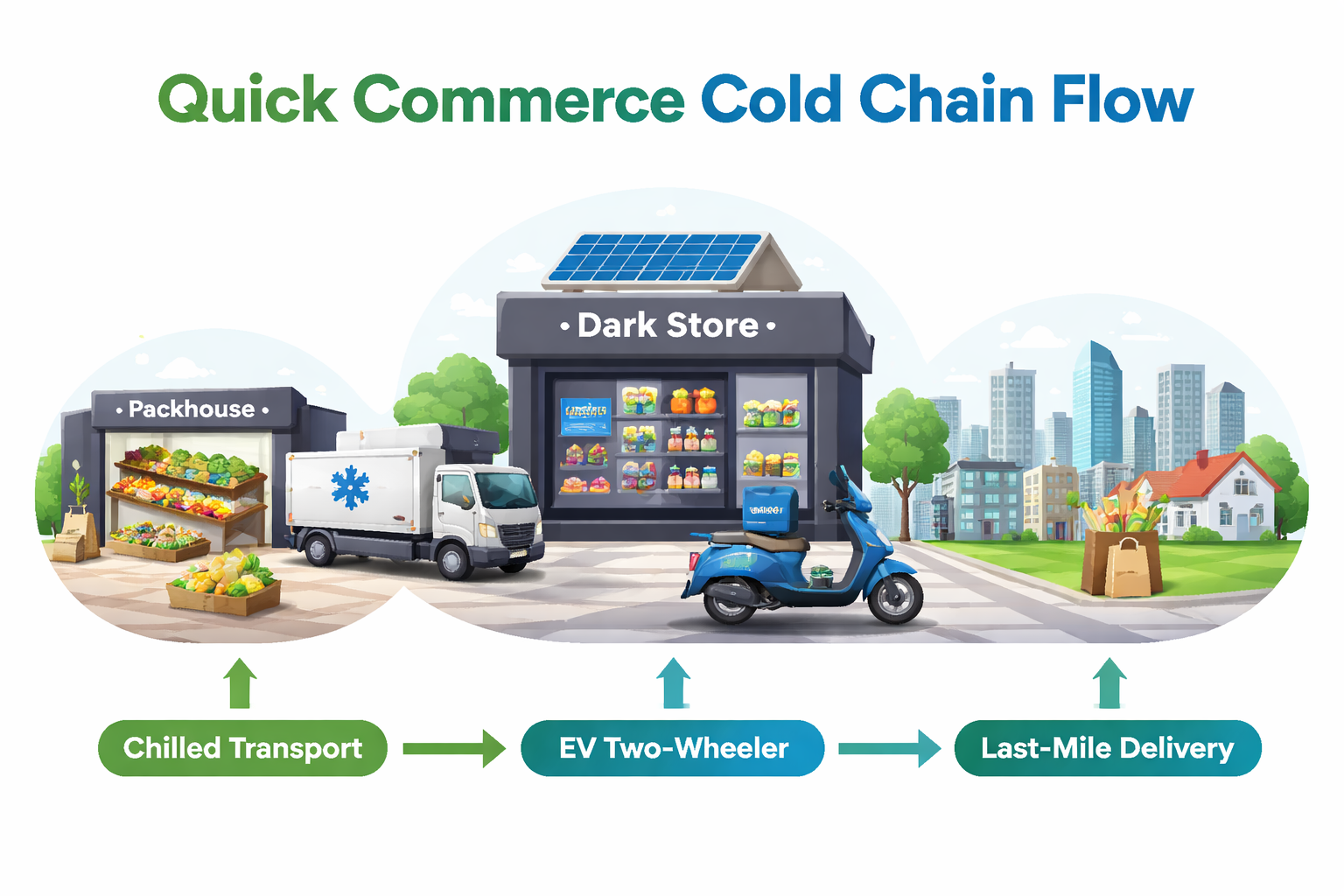
Typical Flow
- Farm / Processing Unit
- Packhouse / Primary Cold Storage
- City Distribution Cold Hub
- Dark Store (Chilled + Frozen Zones)
- EV Two-Wheeler in Insulated Box
- Consumer (within 10–30 minutes)
Failure at any link causes:
- Temperature abuse
- Quality loss
- Shrinkage and returns
- Customer dissatisfaction
Power Authorities:
- ICAR post-harvest cold chain science
- USDA ARS cold chain research
- Codex international food safety standards
Policy and Infrastructure Linkages
National-Level Enablers
- WEF analysis on last-mile delivery sustainability
- National Logistics Policy (NLP): Integration of multimodal logistics and digital tracking
- NITI Aayog EV adoption & FAME incentives
- Global authority on EV adoption, emissions, and policy support.
- PM Gati Shakti: Infrastructure mapping and urban mobility planning
- FAME Scheme: EV adoption and charging ecosystem
- Rooftop Solar Mission: Distributed renewable energy for warehouses
- Cold Chain Infrastructure Schemes: Support for packhouses and cold storage
Urban Imperative
Even the best EVs and warehouses fail without:
- Well-maintained micro-roads
- Lane discipline and traffic signaling
- Safe navigation practices
- Designated loading / unloading zones
- Integrated urban freight planning
Key Takeaways
- Quick commerce logistics prioritizes speed, proximity, and reliability over bulk movement.
- EV two-wheelers are ideal for dense urban last-mile delivery but require smooth road surfaces.
- Green warehousing and rooftop solar reduce energy cost and carbon footprint while powering cold chains and EV fleets.
- Micro-level road infrastructure is the single largest constraint on delivery speed, safety, and vehicle life.
- The future of Indian logistics depends on the integration of EV mobility, renewable energy, cold chain, and urban infrastructure planning.
Future of Quick Commerce Logistics in India (2025–2030)
Key trends:
- Expansion of AI-driven dark store networks
- City-level EV charging corridors for delivery fleets
- Solar-integrated cold warehouses as standard design
- Battery-swapping for two-wheelers
- Real-time route optimization
- Vibration-resilient packaging for fragile foods
- Policy focus on urban freight corridors and micro-road upgrades
FAQ
What is quick commerce logistics in India?
Answer: Quick commerce logistics is a hyperlocal supply chain system designed for 10–30 minute delivery using dark stores, EV two-wheelers, and micro-fulfilment centers.
Why are EV two-wheelers used for last-mile delivery?
Answer: They offer low operating cost, high maneuverability, zero emissions, and are ideal for short, high-frequency urban routes.
How does road quality affect logistics efficiency?
Poor micro-road conditions increase delivery time, vehicle maintenance, accident risk, and energy consumption, especially for lightweight EVs.
What is green warehousing?
Green warehousing integrates energy-efficient buildings, solar power, cold chain optimization, and EV charging to reduce cost and carbon footprint.
How does solar power help cold chain logistics?
Solar PV systems reduce electricity bills, ensure power stability for refrigeration, and support EV charging, improving overall supply chain sustainability.
Conclusion: Infrastructure Is the Real Catalyst
EVs, quick commerce, green warehousing, and solar power are not isolated innovations. They form a single integrated logistics ecosystem.
However, the true performance ceiling is set by road infrastructure quality at the micro level.
Without smooth, safe, and well-planned urban roads:
- EV efficiency drops
- Delivery time variability increases
- Cold chain reliability suffers
- Rider safety is compromised
- Customer experience declines
The future of India’s quick commerce and food supply chains will be decided not only by technology, but by how intelligently the nation invests in:
- Urban road engineering
- Renewable energy-powered warehouses
- EV-centric last-mile systems
- Policy-driven cold chain expansion
In the logistics equation of 2025–26:
Speed is the product.
Infrastructure is the multiplier.
Sustainability is the long-term advantage.
The future of logistics is not tomorrow.
To be futuristic is to act now—every waking day.


Leave a reply to Post-Harvest Management of Fruits and Vegetables: Role of Relative Humidity in Storage and Transportation – scmzz Cancel reply